This guest blog is written by Michael Dhanoya, a doctoral candidate in the School of Criminology, Sociology and Social Policy at the University of Leicester. His research focuses on Shiaphobia as a form of religious hate crime, a subject he is well-versed in due to his work supporting victims of various forms of hate crime. The views expressed are the author’s own. You can contact Michael at: md493@leicester.ac.uk.
Islamophobic hate is alive and well in the supposed ‘beautiful game’. More specifically, English football has been mired in controversy concerning incidents where manifestations of this form of hate have been expressed against Islam and Muslims in general, along with being targeted at several high-profile football players. Examples of the former include football fans tearing out pages of the Qur’an and Muslim football fans being verbally abused whilst offering prayers at football stadiums. Cases of the latter include Egyptian footballer Mido and his compatriot, Mohamed Salah, suffering verbal abuse whilst fulfilling fixtures for their respective teams, namely, Middlesbrough and Liverpool. This blog discusses the abuse directed at Muslim players who broke their Ramadan fast in the middle of a recent Barclays Premier League match between Leeds United and Manchester City, in February 2026. I contend that this incident constitutes further evidence for how Islamophobia is a manifestation of cultural racism.
The Match
The Islamic month of Ramadan sees observing Muslims fast, thereby avoiding all food and drink from dawn to sunset. This year saw this Islamic month fall on Tuesday, 17th February 2026, to Wednesday, 18th March 2026 in the Gregorian calendar. As this period coincides with the Barclays Premier League season, Muslim footballers often take to the pitch whilst fasting, with the time to break their fast occurring partway through the fixture. To combat this issue, 2021 saw the Barclays Premier League introduce the protocol allowing matches played during Ramadan to be halted, thereby enabling Muslim football players to break their fast. This scenario played out on the 28th of February, which saw Leeds United host Manchester City. By way of an explanation for the stoppage in play, the large screen located within the stadium read, ‘As tonight’s match takes place during the holy period of Ramadan play has been paused briefly to allow players to break their fast’. However, this halt to proceedings was not warmly welcomed. Various sections of the fans in attendance reacted to the message being displayed on the screen by booing.
The booing directed towards Muslim football players by supporters is a prime example of Islamophobia being a form of cultural racism. The fans evidently sought to ‘other’ the country’s Muslim population and demarcate it from the general non-Muslim populace. More specifically, this ‘othering’ process framed Muslims as possessing non-native and antagonistic cultural views that are incongruent with British values (whatever is meant by this term). By jeering and publicly expressing their displeasure at the fact that the players were engaging in practices that highlighted their adherence to Islam, the fans in question manifested a fear of an unwanted alien presence of Muslims within the country. This supposed ‘Islamisation’ is positioned concomitantly as an attempt to ‘de-anglicise’ the nation.
The Uncomfortable Truth
The argument that Muslims seek to replace the homogenous non-Muslim culture of the United Kingdom with the alien worldview of Islam is nothing new. The examples of Islamophobic hate expressed at football matches, cited previously, revolve around the notion that the presence of Islam and Muslims is a threat to the preservation of the nation’s native (explicitly non-Muslim) outlook. Such incidents frame Islamophobia as a phenomenon that sees Muslims undergo a process of racialisation, albeit with notions of biological superiority being supplanted by notions of cultural superiority. Thus, the incident that unfolded when Leeds United hosted Manchester City is an addition to a series of actions, the iterations of which see Islam and Muslims being discussed in exclusionary, as opposed to inclusionary, terms. Such actions also send a very clear message, namely that, despite some of the greats of the game eulogising that the sport promotes social inclusivity, the uncomfortable truth is that in the minds of some fans, Muslims are not welcome in the world of football. Perhaps the ‘beautiful game’ is not so beautiful after all.
This guest blog is written by Dr Salomėja Zaksaitė, Senior Research Fellow at the Centre for Social Sciences, Institute of Law, in Lithuania. The views expressed are the author’s own. You can contact Salomėja at: salomeja.zaksaite@teise.org
On 26 January 2024, the International Court of Justice (ICJ) ordered the State of Israel to take all measures to prevent genocidal acts in Gaza (para 86), but the court stopped short of ordering an immediate halt to operations. Clearly, the tragedy in question is so deep, and the suffering so inexhaustible, that this blog post cannot make much difference. Nevertheless, words sometimes have weight and power. If not to do something directly, then at least to interpret what has been said, written, or will be written.
I want to consider the meaning of the International Court of Justice’s (ICJ) order for Israel to take all measures to prevent acts of genocide. There are not only legal terms here that are being juggled, but also criminological terms, which are in themselves open to interpretation. For example, there is more than one understanding of the word “prevention”, which in turn depends on the criminological paradigm. On the one hand, it is a Solomonic formulation chosen by the ICJ, which puts the discretion to end the war in Israel’s hands. Israel is not being scolded like a child and is not being imperatively requested simply to end military operations. On the other hand, if Israel were to do nothing (for example, responding simply that everything is already being done to avoid civilian casualties, and that Israel is fighting Hamas, and not civilians), then within one month from the date of the Order, the ICJ might already be asking how exactly Israel prevented genocide (para 86).
Such a sophisticated strategy by the International Court of Justice is subtle, but it is not swift. People are dying every minute. Unfortunately, this is not new in international criminal law or in law in general: legal measures alone are insufficient to quell a volcano that has been active for decades and which keeps erupting – recently in a very serious way.
From a criminological point of view, both sides of the conflict seem to have their own truth and are overwhelmed by a state of “angry aggression”. This concept explains how the military begins to operate in an automatic fight-or-flight mode. It means that they do not ask questions; they lack empathy; they tend to perceive themselves as (bigger) victims and that their actions are always in self-defence. This can leave soldiers essentially as order-executors, but less often as critical thinkers. With indoctrination on both the Israeli and Palestinian sides, it can be hard to distinguish truth from falsehood. Information has a Rashomon-like character – where the warring sides interpret events in radically opposite ways. This theoretical framework is typical of many military conflicts and foregrounds the power of narrative.
Returning to the words used by the ICJ, and bearing in mind the situation of Hamas fighters possibly hiding among civilians: what could be meant by “take all measures to prevent genocidal acts in Gaza”? Stop bombing civilian buildings in general? Probably not quite that. Or perhaps it means “stop disproportionate bombing”: for example, shooting down one Hamas soldier at the expense of many civilians (see journalist Gideon Levy’ s commentary on the boundaries and aims of the Israeli campaign). Yet just as Israel acts disproportionately, so too does Hamas, by not releasing hostages (para 85) and thus risking tens of thousands of its own people. But if both warring parties already fail the tests of proportionality, might it be time for the international community to take more effective measures than this Solomonic-sounding game of words?
I would like to bring to mind a parallel from the jurisprudence of the European Court of Human Rights. In assessing the threat to life and therefore the State’s positive obligations to protect the right to life, the criterion of a real and imminent risk (or real and immediate risk) was coined. Notably, in the Israeli-Palestinian dispute, the ICJ employed the same criterion (para 74). Accordingly, if there is a real and immediate risk, the State must prevent it – because failure to prevent it leads inter alia to a breach of Article 2 of the European Convention of the Protection of Human Rights and Fundamental Freedoms (i.e. the right to life). But what is meant by “real and imminent risk”? This appears to include both real and putative risk. This lack of clarity has been noted by Judge Egidijus Kūris in his dissenting opinion in the case of Selahattin Demirtaş v. Turkey(No 15028/09). According to E. Kūris, “risk” cannot be “real”, it can be only “realistic” (para 6). In other words, risks are probabilistic; only facts can be real. The linguistic parallel with the Israeli-Palestinian conflict could be that the “prevention of genocide” (if this notion is dogmatically taken word for word) may sound as oxymoronic as the formulation of “real risk”. Especially given that common sense tells us the only way to prevent genocide is simply not to kill. But such a straightforward wording was not chosen by the ICJ.
This is nothing new. Legal mechanisms are inevitably limited and can sound artificial. They also appear frustratingly slow to address the violence right now, today. But it would probably be even worse if they did not exist. In this case, not so little has been done: a sophisticated equilibristic use of words has allowed the warring parties themselves to realise that something must be changed. We await their response.
This guest blog is written by Andrew Lika, a recent law graduate at St John’s College, University of Cambridge, UK. Andrew is an advocate for victims and survivors of domestic abuse. He enjoys writing about social justice issues and is applying for postgraduate study in Criminology. You can contact Andrew at: andrewlika00@gmail.com.
The criminal justice system in England has long struggled to acknowledge and address the unique needs of women. Despite countless recommendations for improving the system’s response to women, progress has been slow. The government’s words have too often fallen short of its actions. The Female Offender Strategy (“FOS”) has not managed to buck this trend (Ministry of Justice, 2018). Five years since the Strategy’s publication, aspirational “commitments” have seldom been transformed into real change. Three key priorities formed the core of the FOS: (1) earlier intervention, (2) an emphasis on community-based solutions, and (3) making custody as effective and decent as possible for women who have to be there. The government’s framework for implementation insisted upon interventions that were “locally-led”, “partnership-focused”, and “evidence-based”.
Early intervention and diversion (priority one)
In priority one, the government aimed to identify and address women’s vulnerabilities to intervene before they commit crimes and enter the cycle of offending (Women in Prison, 2017). For example, in cases of domestic abuse, early help can have a positive impact on a mother and her child(ren) (McCarry et al., 2021), potentially supporting her to avoid coming into contact with the criminal justice system (Gilbert & O’Dowd, 2019).
Aim: £3.5m grant competition over two years. The grant competition was aimed at developing provisions for women who had suffered domestic abuse, maintaining and developing community services for women, and supporting local areas to develop and embed Whole System Approaches for female offenders (Ministry of Justice, 2018). According to the National Audit Office (2022), the initial estimate for funding to support 35 local areas was £3.4-3.5m. The government allocated just £1m to the cause, less than a third of what was initially proposed. The government spent £0. Given the MOJ’s emphasis on “locally-led” interventions, spending nothing on supporting local areas is an apparent failure of this aim. The programme was finalised after the spending review for April 2016-May 2020, limiting potential funding. In the government’s defence, two external factors impacted the government’s success. The MOJ focused spending on high-profile programmes such as reunifying probation services. The coronavirus pandemic also affected spending priorities.
However, privatising probation services through its Transforming Rehabilitation was a problem of the government’s making (McNeil, 2013). Finalising the programme after the spending review was a logistical failure. The pandemic may have been unforeseen, but funding decisions for the FOS were made long before the coronavirus reached our shores. Falling so far short of this, already disappointing, aiming to spend £3.5m can only be labelled a disaster. It is a blow to survivors of domestic abuse who require these services (Gilbert & O’Dowd, 2019; Williams & Earle, 2017).
Furthermore, there is no guarantee that funding would have reached organisations that support BAME women. These organisations are usually smaller, meaning they cannot devote enough resources to apply for grants. A recent positive step made by the government is funding Clinks to support these charities in making bids, though the effectiveness of this measure is yet to be measured.
Aim: Supporting the rollout of NHS-commissioned Liaison and Diversion (L&D) services. L&D services place clinical staff at police stations and courts across England and Wales to provide assessments and referrals to treatment and support. The MOJ has supported the rollout of L&D services, which have been successfully implemented in every police station across England and Wales (Prison Reform Trust, 2021). Furthermore, each service across England now has a dedicated women’s lead (Ministry of Justice, 2023). However, the FOS explicitly stated that “consideration will also be given to addressing the barriers that particular groups, such as sex workers and foreign national women, face in accessing services” (paragraph 45). The government’s FOS Impact Assessment claimed that a ‘Sex Workers Workshop’ took place in 2021 (Ministry of Justice, 2023). There is no further information on what this workshop entailed or its outcomes. There is no information about the government addressing barriers foreign national women face. So, while we celebrate the complete rollout of L&D services, we must hold the government to the standard it should set itself. Again, as in the case of Romany women, there are few signs of success in the government’s aims of addressing the unique needs of minority women.
Community solutions (priority two)
Seventy-seven per cent of women sentenced to custody in 2017 were given sentences under 12 months in length, compared to 62% of men. A key aim for the government was to reduce reoffending rates for women, which are historically higher than men’s (Prison Reform Trust, 2021; Hedderman & Jolliffe, 2015)). Amongst female offenders, short-term custodial sentences of less than 12 months have been associated with a statistically significant increase in proven reoffending compared to community orders or suspended sentence orders (Ministry of Justice, 2019). Community solutions in the FOS were also aimed at improving outcomes for women upon their release from prison. In 2021-22, 53% of women left prison without settled accommodation. Unsettled accommodation and homelessness are key risk factors in women’s reoffending (Prison Reform Trust and Women in Prison, 2018; Shelter, 2015).
Aim: Pilot five residential women’s centres (RWCs). Existing women’s centres at the time of the Corston Report, including Anawim and Scotland’s 218 centres, had successfully been used as referral centres for women who offend or are at risk of offending, as well as their use as court and police diversions. Creating lines of communication between courts, police, and women’s centres is vital in establishing a multi-agency approach to women’s justice, which has been proven to reduce reoffending (Holloway et al., 2017). Demand for women’s centres has long exceeded supply, leading to women missing out on vital services (Women in Prison, 2012). The FOS proposed the creation of more RWCs to address this gap between supply and demand. Unfortunately, none of the women’s centres envisioned by the FOS had been built by 2022 (National Audit Office (2022). This was purportedly due to insufficient space and resources (ibid). In 2021-22, the MOJ announced spending £3.5m on these centres. In 2022, they reduced this figure to just £0.5m. The government’s failure to follow through on a critical intervention, crucial for their vision of Whole System Approaches to women in the CJS, constitutes a devastating failure.
Aim: Increase community sentences and decrease custodial sentences. The government reports that the proportion of community sentences has increased from 5% to 6% since the FOS (Ministry of Justice, 2022). Though a slight increase, this is a positive sign. It is plausible that this increase is directly linked to the rise in PSRs. Nevertheless, the total number of Out of Court Disposals has dropped in the same timeframe and has nearly halved between 2012 and 2022 (Prison Reform Trust, 2023). 58% of prison sentences given to women were less than six months (Prison Reform Trust, 2023). In Nottinghamshire, this figure was an astonishing 73% (ibid). In Greater Manchester, an area with an integrated Whole System Approach, this figure was 54% in 2022, 14 percentage points lower than just eight years prior. This is clear evidence of the positive effect WSAs would have on local justice. Thus, despite the increased proportion of community sentences being delivered, short prison sentences are still far too high. The government still must do more to improve the judiciary’s confidence in using community sentences for less serious offences.
Better custody (priority three)
Amongst many of women’s unique needs (see blog post for more detailed discussion: Managing Female Offenders in England and Wales), mental health is a particular concern for women in prison. In 2021, 350 female prisoners per 1,000 prisoners self-harmed, compared with 135 per 1,000 for males. The Ministry of Justice has reported that the number of instances of self-harm per self-harming person was also higher for women (Ministry of Justice, 2022). Additionally, 46% of female prisoners have attempted suicide at some point, compared with 21% of male prisoners (Light et al., 2013).
Aim: Reduce the female prison population. The female prison population has decreased by 16% from 2018-2021 (Ministry of Justice, 2022). This reduction may indicate fewer custodial sentences for women, but the National Audit Office (2022) reported a lack of direct evidence supporting this claim. The MOJ’s 2021 report links the decrease in the female prison population to the COVID-19 pandemic. Shoplifting, one of the most commonly committed crimes by women, became less prevalent due to the closure of most shops. The addition of 500 new prison places to the women’s estate at a reported cost of £200 million seems to contradict the government’s aim to reduce the female prison population and focus on community solutions (National Audit Office, 2022). This raises questions about whether the government had considered that more community orders would decrease the number of women in custody, thereby decreasing the demand for prison places. The Prisons Strategy White Paper (2021) states that some women still need custody, and the government maintains that more prison places would lead to women prisoners being treated with more dignity.
Aim: Developing a trauma-informed approach to working with women. Since the FOS, staff in women’s prisons have received training to work effectively with women who have experienced trauma. The impact of trauma and abuse is increasingly being taken into account in the women’s estate, with support offered at Bronzefield, Eastwood Park, New Hall, and Foston Hall (HM Inspectorate of Prisons, 2023). This is a clear sign of success. The design of new buildings housing the proposed 500 additional women’s prison places would also be “trauma-informed” (The Rt Hon Victoria Atkins MP, House of Commons, 2021). This would include, for example, removing bars from windows (Q323, ibid). While it is welcome that more consideration is given to improving prison conditions by addressing trauma, it remains unclear why existing prisons could not be renovated at a cheaper cost.
Aim: Review the operation of Mother and Baby Units (MBUs). Encouraging and supporting family ties can increase women’s chances of desisting upon release (Rodermond et al., 2015). The influence of family ties on desistance is stronger for women than for men (ibid). Lord Farmer’s 2019 review found that, on average, women were imprisoned 63 miles from their families, negatively affecting women’s ties with family and friends (Lord Farmer, 2019). The government has reviewed the operation of MBUs and published a new policy framework. It has successfully introduced Pregnancy and MBU Liaison officers in all women’s prisons. The Prisons Survey found that MBUs at Bronzefield, Eastwood Park and New Hall supported women and their children very well. This shows that the government listened to and responded to Lord Farmer’s review and is a sign of success in addressing concerns around mothers in custody and the effects this has on children.
Aim: Increase racial diversity across HMPPS, with a 14% target for BAME employees across the Service.The 2017 Lammy Review called for more BAME representation in HMPPS. A 2022 HMIP review focused on the experiences of adult male black prisoners and black staff in prisons (HM Chief Inspector of Prisons, 2022). The results showed that diversity in prisons is crucial, as black male prisoners reported feeling less isolated and more likely to seek support in facilities with more black staff (ibid). As of March 31, 2023, 83.4% of staff declared their ethnicity in surveys, with 12.6% identifying as BAME (Ministry of Justice, 2021). Although this falls short of the government’s 14% target, it represents clear progress from the 10.5% figure in January 2017. However, the government must now prioritise closing this data gap to accurately assess diversity progress in the HMPPS workforce.
Conclusion
In response to the criticisms the government faced of its FOS and recommendations by the National Audit Office’s Report (2022), the government published the Female Offender Strategy Delivery Plan 2022-25. To address the progress of their FOS commitments, the government produced a matrix with a traffic light system to signal if a commitment has been completed or is still in progress, broadly replicating the Prison Reform Trust’s 2021 Matrix. The Delivery Plan’s Impact Assessment effectively sets out specific, measurable targets. One target, aimed at addressing early intervention and diversion (priority one), states that a grant competition of up to £15.5m will provide funding to support vital community services for women. Such targets present a step in the right direction.
The FOS Delivery Plan has shown some promising early signs but has replicated some of the same errors that caused the FOS to fail (see blog post: Managing Female Offenders in England and Wales). While it is still too early to judge the overall success of the MOJ’s Female Offender Strategy, it is clear that progress has been limited so far. Despite over 15 years since Baroness Corston’s review, there is still a lack of visible progress in meeting the unique requirements of women in our criminal justice system. This highlights the need for a more comprehensive approach that takes into account the specific needs of female offenders, such as trauma-informed care, mental health support, and alternatives to custody. It is clear that more work needs to be done to ensure that women in the criminal justice system receive the support they need to overcome the unique challenges they face.
Why the England and Wales criminal justice system should treat women differently than men, and what the government has done about it.
This guest blog is written by Andrew Lika, a recent law graduate at St John’s College, University of Cambridge, UK. Andrew is an advocate for victims and survivors of domestic abuse. He enjoys writing about social justice issues and is applying for postgraduate study in Criminology. You can contact Andrew at: andrewlika00@gmail.com.
The Labour government’s commissioning of the Corston Report was a direct response to the tragic suicides of six women in HMP Styal (Gelsthorpe & Russell, 2018). This tragedy highlighted the devastating impact custody can have on women, who often arrive at prison with a host of complex needs (Hogarth, 2017). These include but are not limited to unemployment, mental health, substance abuse (Burgess & Flynn, 2013), experiences of physical and sexual abuse (Prison Reform Trust, 2023), and childcare duties (Kincaid et al., 2019; Baldwin, 2015). Mental health continues to be a particular concern for women in prison. In 2021, 350 female prisoners per 1,000 prisoners self-harmed, compared with 135 per 1,000 for males. The Ministry of Justice has reported that the number of instances of self-harm per self-harming person was also higher for women (Ministry of Justice, 2022). Additionally, 46% of female prisoners have attempted suicide at some point, compared with 21% of male prisoners (Light et al., 2013).
In their 2019 report, Gilbert and O’Dowd shed light on the impact of domestic abuse, a gender-based crime against women (Women’s Aid et al., 2021), and its disproportionate effect on women. O’Dowd’s personal experience of domestic abuse provides a moving insight into the failings of the CJS in protecting women. O’Dowd encountered the CJS after a desperate attempt to flee her abusive relationship led her to commit a crime. She suggests that a lack of support from professional and statutory organisations contributed to prolonged suffering at the hands of her abuser. O’Dowd is not alone in this experience; Williams and Earle (2017) argue that domestic abuse can strongly influence criminal behaviour. The government’s 2018 Female Offender Strategy reported that almost 60% of female offenders supervised in the community or in custody, who have an assessment, have experienced domestic abuse. This shows how prevalent the issue is and the need for a trauma-informed approach. A further specific need, highlighted in the Corston Report, is women as carers for children. The 2021 ONS Census reported that women take on the burden of the majority of childcare, and the MOJ estimated in 2015 that between 24% and 31% of women offenders have one or more child dependents. Imprisoning a mother can have lasting, intergenerational effects (Minson et al., 2015). Our criminal justice system was initially created by men for men, and it has long been clear that it must adapt to women’s unique needs (Gelsthorpe, 2007). It is these needs that the government’s Female Offender Strategy (FOS) attempted to address.
The Corston Report (2007)
Baroness Corston’s landmark review of the treatment of women in the criminal justice system concluded that a radical shift was required. Among other things, Baroness Corston highlighted the importance of recognising many women’s roles as a family’s primary caregiver. She argued that judges must consider the impact on children of their mother going into custody during sentencing decisions. Baroness Corston wrote at length about how her ambitious plans could come to fruition:
“A national framework must do more than set aspirational standards; it must monitor progress, have assured, long-term ring-fenced funding and clear lines of accountability (Corston Report, 2007: section 4.8).”
The government accepted Baroness Corston’s 43 recommendations, and progress on more straightforward recommendations was almost instant. For example, in response to recommendation 14, the routine strip-search of women prisoners came to an end in April 2009 (Women in Prison, 2012). Longer-term aims, such as expanding the Together Women Programme, gradually received less funding. Six years after the Corston Report was published, the government established a cross-departmental Advisory Board for Female Offenders (“ABFO”) and published its Strategic Objectives for Female Offenders (2013). This policy report outlined vague objectives without committing to specific, measurable targets or funding commitments. A decade after the Corston Report, Women in Prison (2017) found that the government’s response to the Coston report had not resulted in significant progress. Women in Prison identified several areas of concern, including the government’s failure to implement Baroness Corston’s recommendation to replace women’s prisons with women’s centres. The Government’s FOS thus followed longstanding concerns that women’s needs were unmet in the CJS.
Three key priorities formed the core of the FOS: (1) earlier intervention, (2) an emphasis on community-based solutions, and (3) making custody as effective and decent as possible for women who have to be there. The government’s framework for implementation insisted upon interventions that were “locally-led”, “partnership-focused”, and “evidence-based”. Sadly, the government’s FOS outcomes have not met its laudable aims.
Problems measuring and defining success in the Female Offender Strategy
Baroness Corston advised of the importance of a robust framework in the CJS for implementing policies addressing women’s needs. The MOJ did not heed this advice, which failed in the FOS to put forward concrete aims and to create accountability mechanisms to ensure that those aims and objectives were met (National Audit Office, 2022). Therefore, it is not easy to accurately measure the success of the FOS when there are few clear benchmarks against which to evaluate success. The MOJ accepted its deficiencies, stating that the FOS had “not been tightly governed” (The Committee of Public Accounts, 2022). The ABFO presented a missed opportunity for the government to subject itself to scrutiny. No matter how well-intentioned the objectives of the FOS were, its success would always have depended on clear, measurable aims and clear lines of accountability, as stated in 2007 by Baroness Corston. Therefore, the absence of such a framework limits the success of the FOS.
At present, gaps in data mean it is challenging for the government to monitor women’s progression through the CJS accurately. For example, the MOJ does not understand how Romany women flow through the CJS (National Audit Office, 2022). They are currently categorised as Gypsy/Traveller, but Romany women face an additional language barrier that others in the same category may not face. For the government to make justice work for all women, they must know who these women are and their specific needs. In failing to acknowledge the existence of this data gap, it is impossible to address the success of the FOS for all women.
A key aim of the government’s FOS was its Concordat on Women in or at risk of contact with the Criminal Justice System (2020), which set out how the government and other partners should work at national and local levels to identify and respond to the needs of women. The Concordat was published two years too late. Despite cross-party agreement on the Concordat, the FOS programme team could not incentivise other government departments to invest in areas that would not directly benefit their department (National Audit Office, 2022). This issue mainly affected the development of Whole Systems Approaches, to which the FOS gave great importance. Whole system approaches also featured as a critical objective in the 2013 Strategic Objectives for Female Offenders, and the MOJ published a separate document alongside the FOS dedicated to making a case for whole systems approaches (Ministry of Justice, 2018). Joined-up working across governmental departments is vital to the success of Whole Systems Approaches. The FOS programme team needs to do more to incentivise departments to participate in this aim.
It is essential to acknowledge that the current literature and the government’s attention to the needs of cisgender women may not wholly address the specific needs of transgender women. The FOS does not consider the needs of trans women. Evaluating the success of the FOS for trans women is, therefore, practically impossible. Within the custody context, transgender prisoners are more likely to face difficulties than any other prison population (Gorden et al., 2017). Transgender people arrive at prison with existing mental health issues, which are often exacerbated in prison by violence, poor care, and withdrawal from hormone treatment (Ministry of Justice, 2019). From a Scottish perspective, Maycock (2020) illuminates the pains of being isolated from the trans community. Transphobia amongst prison staff is a crucial concern, presenting as misgendering and misnaming trans inmates (Maycock, 2022). These issues must be addressed to ensure that trans women in prison receive the care, respect, and safety they deserve. It is crucial to expand research and policies to consider and include trans women.
Looking forward: The Female Offender Strategy Delivery Plan 2022-25
The Female Offender Strategy Delivery Plan 2022-25 was created in response to criticisms of the FOS. To address the progress of their FOS commitments, the government produced a matrix with a traffic light system to signal if a commitment has been completed or is still in progress, broadly replicating the Prison Reform Trust’s 2021 Matrix. The Delivery Plan’s Impact Assessment effectively sets out specific, measurable targets. One target, aimed at addressing early intervention and diversion (priority one), states that a grant competition of up to £15.5m will provide funding to support vital community services for women. Such targets present a step in the right direction. However, there is still ambiguity in the wording “up to”. Sadly, as the MOJ began the grants competition late in the first year of three, the total amount of funding will not be granted as the MOJ cannot award funding retrospectively. Once again, a well-intentioned objective is let down by inefficient planning. The MOJ must do more to provide stable, secure, long-term funding for women’s services.
Promisingly, the government selected the Preston-based charity Sahara to receive up to £250,000 in grant funding (Home Office, 2023). The funding will be used to provide a bilingual and all-inclusive support service for black and minority ethnic background women who are victims of domestic abuse. It is commendable to see the government directly financing charities that support BAME women, as many of these charities have financial constraints to compete in grants competitions.
Conclusion
Women in our criminal justice system should be treated differently than men. Women experience mental health issues in prison more acutely than men. Women are often victims of gender-based crimes, which can be connected to an increased likelihood of offending. Women’s unique needs require a unique response from our criminal justice system. The government has recognised and acknowledged this for many years now. Progress has been too slow. Government policy is not being supported by adequate funding and resources. Without these, the government’s objectives will never be realised, and women’s needs will continue to be neglected by our criminal justice system.
I recently came across an archive of interviews on BBC iPlayer, curated by the late TV host Michael Parkinson. Clicking through further suggested content on the site reveals an amazing library of footage from the last century. These include episodes from a programme called Face to Face, which ran between 1959 and 1962, and was resurrected again from 1989 to 1998; clips from Late Night Line Up, Man Alive (or its spin-off, ‘The Man Alive Report’), as well as from talk shows with popular male interviewers Wogan, Frost and Parkinson himself.*
In 1955, American film director and actor Orson Welles (1915-1985) is interviewed on a panel interview show called ‘Press Conference’. The questions are put by three journalists and focus on his work, but also try to probe his political views. For context, 1955 is the height of the ‘Red Scare’, with concern about the threat of communism in America. The period is associated with hearings held by the House Un-American Activities Committee (HUAC), and congressional investigator Senator Joseph R. McCarthy. Hollywood became a particular target, with actors and directors perceived to be sympathetic to communism ‘blacklisted’. While the Press Interview journalists appear to criticize McCarthyism, they repeatedly ask Welles why he has recently been in Spain (then run by Communist leader, General Franco) – “it’s just a filming location,” he shrugs. In a line of questions on anti-Americanism, one of the panel interviewers asks Welles, “Do the French criticize the Americans for the right reasons or for the wrong reasons?” to which he replies: “Don’t you think with countries, or races and big national generalizations like that, that the criticisms are always for the wrong reasons?” “Yes, I do” says the interviewer quickly, “And I am very glad you think so too”. There follows the slightest of awkward pauses in an otherwise teasing and fast-paced interview. Welles was well known for his opposition to racism and segregation.
Finally, raising concerns about ‘horror comics’, one interviewer asks Welles whether he thinks American culture has anything to do with the spread of ‘juvenile delinquency’. Welles’ response speaks to the general question of the moral boundaries of art, and the criminological question of the relationship between violent representation and lived behaviour:
Interviewer: “You wouldn’t say that children are imitative, and they tend to imitate what they see or read?”
Welles: “If they were, they would have come from the bear pits of the Globe Theatre and committed some rather extraordinary acts in the Elizabethan age.”
In a 1959 Face-to-Face episode featuring Edith Sitwell (1887-1964), the interviewer asks the poet how she responds to the popular perception of her as “remote, eccentric, forbidding and rather dangerous”. He suggests they first start with discussing her appearance. There is the slightest of smiles below the painted eyebrows and fanned headpiece, as Edith explains that she is “a throwback to remote ancestors”. A woman not of her time. She tells of a privileged though unhappy childhood. Edith is a stickler for manners, though does not tie these straightforwardly with class. She praises American society, claims friendship with Marilyn Monroe and passionately defends Monroe’s appearance in a calendar when it is raised by the interviewer:
Sitwell: “Well, there have been nude models before now: it means absolutely nothing against a person’s moral character, at all. If people have never been poor, perhaps they don’t know what it is like to be hungry?”
Rather, she blames those around Monroe who have treated her “most unchivalrously”.
Featuring in the second run of Face-to Face in 1994, Maya Angelou (1928-2014) is questioned about her engagement in sex work, which she wrote about in her second memoir, ‘Gather Together in My Name’ (1985). She tells the interviewer that young people need to know that adolescence and youth are tough and that people make mistakes, including their own parents. As a modern viewer, you wince at the directness, the quick changing and often gendered line of questioning (at one point, Angelou tells the interviewer to wait while she develops her thought; similarly Sitwell refuses to answer a question on whether she ever came close to marriage). But these interviews are extraordinarily revealing, filmed Mastermind-style with an unwavering close-up of the subject on a chair. The male interviewer is largely unseen, only an occasional back-of-head shot in shadow. As each question lands, the camera picks up the interviewee thinking and responding: small movements in the eyes, brow and mouth, and each intake of breath.
The interview with Martin Luther King (1929-1968) is particularly compelling. We might feel we know something of him from the 1963 ‘I have a dream’ speech or from reading his sermons or books. But it is different to see King speaking in this quiet studio in 1961. He is calm, deliberate, reflective. Similar to the Sitwell and Angelou interviews, the line of questioning and language used is jarring to contemporary ears. For example, the interviewer is keen to move on from King’s memories of social exclusion as a child and ask, “but was anyone actually cruel or violent to you”, and later, “but nobody ever beat you personally?” It is not clear whether the questions are meant to elicit a defining moment to explain King’s commitment to civil rights, or to minimize his experience.
Later, the interviewer asks what more is needed, given the advance of rights for African-Americans in the United States in recent years. “We have moved on a great deal but we still face token integration,” replies King, before telling the interviewer that African-Americans continue to endure economic insecurity, inconsistent criminal justice and police brutality (for more on the context in 1961, see: The Modern Civil Rights Movement and the Kennedy Administration | JFK Library) and listen to era defining songs from the 1930s-1960s such as (Mississippi Goddam by Nina Simone and Billy Holiday’s Strange Fruit). The interviewer presses King on whether he has any misgivings about his role – aged only 32 – as leader of the civil rights movement in the United States, and whether he can hold people together under the banner of non-violence? King replies to all these questions with disarming honesty and composure: yes, he acknowledges, it is a heavy responsibility but he is sustained by the belief that the cause is just.
The question of pursuing violent or non-violent approaches to social change are explored also in a 1968 discussion, chaired by Joan Bakewell, between Lady Asquith (Violet Bonham Carter, 1887-1969, Liberal politician and BBC Governor) and Lady Stocks (Mary Danvers Stocks, 1891-1975, academic economist and women’s campaigner). The two guests debate whether it was the constitutional or the militant suffragettes which delivered the vote for women in Britain, and indeed, whether militancy delayed the cause. Both speakers appear to agree that the advent of the First World War was pivotal in moving women into the labour force and into public life, and in turn strengthening the demand for women’s suffrage. Stocks and Asquith discuss the exploits of Emmeline Pankhurst and Constance Lytton not as historians but as acquaintances: Asquith was daughter of the British Prime Minister Herbert Asquith 1908-1916, who initially opposed votes for women, and Stocks joined Millicent Fawcett’s moderate National Union of Women’s Suffrage Societies (NUWSS).
Other footage from the 1960s reflects a similar interest in social issues. In the 1967 episode of The Man Alive Report, Michael Dean hosts a discussion about ‘homosexuality’, following the airing of two episodes on BBC2 looking at the lives of lesbians and of gay men. Four guests are invited to discuss the issues and the programme coincides with the passing of the Sexual Offences Act 1967, decriminalizing sexual relations between men aged 21 and over. A GP, writer Maureen Duffy, social psychologist Michael Schofield and Conservative MP Ray Mawby discuss the ‘causes’ and ‘risks’ of being lesbian or gay. There is a particular preoccupation with the risk of being sexual blackmailed and it is worth afterwards reading the contributors’ biographies for context.
All of these interviews touch on social issues which intersect with the criminal justice system: restriction of rights due to gendered or racialised identities; moral concern about art, about intimate practices or sexual labour; methods of protest and resistance. But why should we be interested in watching these voices from the past?
The sociologist Max Weber introduced the term verstehen, which means a deep and empathic understanding of another person’s situation. We might think of Atticus Finch in To Kill A Mockingbird (by Harper Lee, 1960) telling his daughter Scout, “You never really understand a person until you consider things from his point of view…until you climb in his skin and walk around in it.” Verstehen is central to ‘ethnographic’ methods, a form of researching the social world by immersing oneself in the context of interest using, for example, observation, reading relevant texts, and unstructured interviewing. In visual criminology, Keith Hayward advocates the use of audiovisual verstehen (i.e. film and documentary-making) to:
[Intensify] traditional ethnographic attempts by employing digital technologies to capture people’s experience sensorily (not just written down) in order to fill in some of the gaps that have traditionally been absent from criminological knowledge (Hayward, 2018, p.144).
As a resource, the BBC archive has two features which arguably enhance their verstehen value. First, interviews are filmed in close-up observational mode (drawing on Nichols, 2017), devoid of artistic sets and embellishments, which combine to suggest intimacy and perceived truthfulness for the audience. Second, these are films of individuals directly connected with what we now consider ‘historical’ events, including individuals born at the end of the 19th century. The films generally have good visual and sound quality, which has the effect of closing the temporal gap between the subject and the viewer, and concentrating our attention on what they are saying. This is a new (in the scheme of human history) and evolving resource for social research: it means that contemporary footage will be available in 2500 in a way that it is not possible, today, to understand audiovisually life in 1500.
When we watch these interviews, we cannot help but notice the attitudes and tone embedded in how interviewers choose and ask their questions, and we may find some of the language problematic. That is important to recognise and reflect on. What is of central interest however is hearing interviewees describe their experience and understanding of the world in ways which are both historically situated but also surprisingly contemporary and resonant. They point to the perennialism of social concerns. In terms of inequality and injustice, they remind us how far society has come, but how much remains to be done.
*For readers without access to BBC iPlayer, try typing e.g. ‘Face to Face Martin Luther King’ in YouTube to find freely available versions of the interviews.
A guest blog, anonymized to protect the writer’s identity.
This is a summarized account of my previous life of a hell on earth in the dark unpublicized shadows of the prison system. It is a journey from abuse to anarchy and finally normality: a path shared by many of my generation.
In 1970, as a young boy of 15 given Borstal training, I entered a prison horror story that has stayed with me throughout my life, with occasional accompanying flashbacks and nightmares.
The 1970s in Borstal were brutal years, and conditions then bordered on the medieval; the dark brick cells looked like gloomy dungeons, reflecting the Victorian era in which they were first built. Dressed in black, uniformed officers resembling the SS, patrolled the grey slate landings. The evenings were the worst times when having nothing to do, groups of officers would target cells of captive vulnerable children and beat then until they screamed. No cameras or ‘phones and no external medical staff or contacting solicitors in those days: we were at their mercy and we both knew it.
The abuse continued because the archaic system could not change under the old ‘Crown Immunity’ law, which meant the state was unable to prosecute itself and therefore what happened within the walls stayed there. On transfer, we were required to sign a form stating that we had been well treated and had no complaints. No threats needed, we signed.
Hungry and frightened into a rule of silence unless spoken to, we lay on beds of bug infested straw mattresses and I challenge anyone who remembers those days not to say they didn’t cry their eyes out at night in that first week. After that, the fear, degradation and brutality slowly became normalized.
An exaggeration? No, it was simply something that happened in that era, a normality similar to that of public hanging spectacles for previous generations. If only those walls, now painted in soothing pastel, could talk.
I would describe the 1990s as a crazy anarchist era. The previous ‘disciplining of the body’ (Foucault, 1977) was replaced with an attitude of complete indifference, elsewhere referred to as ‘human warehousing’ (see Phelps, 2018, writing in the British Journal of Criminology). The beatings continued yet on a lesser scale, but with add-ons. Now, packed in like sardines, the ancient sewage system unable to cope with the volume, which regularly overflowed onto the landings and those unfortunates beneath, attracting rats. The mass sporadic diarrhea outbreaks, head lice and one shower a week in over-crowded conditions were early warning signs of approaching dysentery and cholera, diseases commonly arising from those same conditions elsewhere in the 20th century. The mass disturbance that followed in 1990 was only a surprise to those outside the prison system.
By 1994, I had gone from Cat ‘A’ to an MA Criminology. I discovered education, went on to post-graduate study and, when released, emigrated and became a professional spending many years abroad. Yet the highlight of my life is being transferred out of 1990 Strangeways into the Cat ‘A’ dispersal system, knowing the abusing prison guards were removed (were chased) from that evil blot on the Manchester landscape and the prison was systematically demolished in the biggest riot in British penal history.
Since 1999, new prison rules meant that those days have thankfully long gone, but prison has always been a microcosm of society. As society changes, it in turn produces the inmate population it reflects. In other words, the mental illness, the anarchy, and gang culture in today’s prisons are simply a reflection of the society producing them. Some might argue that prison has swung too far in a liberal direction and that might well be true, in which case that is a current problem that needs addressing, as well as the society that produced it. The jailers too, once exclusively drawn from ex-military personnel are now the products of the same liberal society as the inmates. Although I have no doubt that prison is not easy, you can now complete your sentence without having to hide a piece of bread under your pillow because of hunger (a disciplinary offence involving a compulsory beating in 1970), seeing blood on the walls in the segregation unit (‘the block’), or listen to the accompanying screams.
Research suggests that if a group of people have absolute power over another group, nasty things follow. Moreover, absolute power attracts the worst type of overseers, including bullies, sexual predators, and outright sadists. The people who staffed the old prison system were no doubt respectable law-abiding citizens outside the walls, but inside them they mirrored the participants in the ‘Milgram Shock Experiment’. This was an experiment devised to test how far people were prepared to go given unlimited authority, as opposed to their personal conscience. Briefly, the Milgram experiment revealed a majority of people in the right location and on orders from a figure of authority, were willing to carry out extreme acts of violence against helpless victims. Something not entirely unknown elsewhere in the 20th century.
Even after all these years I have no sympathy for those still living who staffed these evil places and now complain of PTSD and related symptoms. The effects of what they saw and/or participated in is now coming back to haunt them in their later years in the same way it mentally affected us, their victims.
§
Strangeways: A Nightmare Revisited
§
O well done! We commend all your pains,
And those yet to come shall share i’ the gains;
And now about thy memories tell,
Of things once unseen in a man-made hell;
If walls too had voices they would scream in despair,
As they tell their grim tales and bid thee beware;
Of times distant past though the nightmares remain,
Of something so wicked that this way once came.
§
As memories fade and passing time numbs,
The sound of the boots like the beating of drums;
Of whistles and bells, the hunger and pain,
While alone in the gloom a child’s tears fell like rain;
As the evil destroyed though three decades past,
Deep inside an old man the little boy laughs;
May their wickedness visited on children bring shame,
Last week, the BBC published details of a long-running investigation into an MI5 agent who, it is alleged, terrorised, abused and attempted to kill an intimate partner. The BBC had further located an intimate partner in another country, with similar experiences, and suggestions of active targeting of young women, by this agent, for exploitation.
The agent is alleged to be a paid informant or CHIS [covert intelligence intelligence source] for MI5 [the UK’s domestic counter-intelligence and security agency], who has infiltrated extremist networks on the state’s behalf. Critically, his UK victim claimed that he warned her not to report his behaviour, invoking his protected status as an agent. The BBC reports the victim saying:
“It meant that I couldn’t speak out about any of his behaviour towards me, any of the violence I went through, sexual or physical, because he had men in high places who always had his back, who would intervene and who would actively kill me, if I spoke out.” (BBC, 20 May 2022)
Since publication of the story, the victim has lodged a formal complaint with the watchdog for the intelligence agencies, the Investigatory Powers Tribunal (IPT) (BBC, 21 May 2022).
As distressing and shocking as the details of the story are, of significant interest also is the experience of the BBC in trying to investigate and publish this story and the Government’s response. Lead journalist Daniel De Simone recounted this in a piece published the day after the story broke.
Over months, De Simone and other BBC colleagues were involved in a protracted legal case in the High Court, involving MI5, government, police and others. He describes how MI5 sought to undermine the credibility of the story and attempts were made by government to secure editorial control (a demand later dropped, according to De Simone). Moreover, a ‘closed material procedure’ was applied, where secret evidence was considered by the judge and by special security-cleared barristers acting for the BBC behind closed doors. The barristers were however barred from communicating with the BBC team, lest the evidence used in the case against them were disclosed. In this way, De Simone found himself experiencing the double bind of secrecy he had himself reported on in relation to terrorism cases over the years (BBC, 22 May 2022).
The BBC sought to expose alleged individual criminality in private, outside of the course of state work (criminality during undercover work has been covered elsewhere in this blog). On the other side, the concern of the state has been to protect that individual as an intelligence asset (whose exposure, it is claimed, could compromise other current and future such assets).
“We argued that it was important to identify X so that other women he encountered could be warned about him and the abusive behaviour our investigation had uncovered. The security service, however, argued that naming X would create an unacceptable danger to him from extremists and discourage other people from acting as informants, which would damage national security.” (BBC, 22 May 2022)
The argument about protecting an intelligence source, and thereby others, has merit on the face of it. But it is a distraction. The more significant question is the lack of oversight and handler knowledge (or inaction based on that knowledge) about the agent in question, over a number of years. First, the BBC investigation suggests that this individual is being paid to infiltrate extremist organisations, yet there is visual and witness evidence that he himself holds extremist attitudes. So he might be more accurately described as an active extremist who has been persuaded to pass information to the state. Second, the government and security services are presented with information (which they may have already known) that this person is a serious (potentially fatal) threat to women and girls. Third, there is evidence that he is leveraging his status to warn these women against reporting him: so he is selectively disclosing that he is a CHIS in order to exert control. All of this should surely have sounded alarm bells.
This story of unchecked males, supported by the state, is not new. The 2015 Stephen Taylor report, revealed that officers in the Special Demonstration Squad (or SDS, a Metropolitan police unit operating from 1968 to 2008) used the identities of dead children to create aliases and entered into romantic relationships with women while undercover (with at least three officers fathering children) (Guardian, 28 October 2020). Despite victims speaking out about their experience over the years, what tipped the balance, the Guardian newspaper argues, was the revelation in 2013 by former SDS Officer Peter Francis that the Metropolitan police had spied on the Lawrence family, in the wake of the murder of their son Stephen, in 1993. The then Home Secretary Theresa May commissioned a review – which became Stephen Taylor’s 2015 report – to understand the links between the Home Office and SDS: in other words, to establish who knew what and when. Yet the Taylor report notes that, “there appears to be no record in the [Home Office] Department of anything related to the SDS during its years of operation from 1968 – 2008” (Taylor, 2015, para.3.2.14). Taylor describes this as a “concern”, noting that, “it is not possible to conclude whether this is human error or deliberate concealment” (Taylor, 2015, para.3.2.13).
The police and security services have historically been dominated by men working ‘undercover’ or ‘in the field’ (with women dominating office-based and administrative roles because the field was/is masculine and therefore their femininity would unhelpfully mark them). Police culture, Westminster culture, and we can guess parts of MI5 culture have traditionally been masculine. This masculine sensibility can mean tolerating stereotypical behaviour such as sexual conquest, violence, coercion and hubris, often at the expense of women, children and less powerful or gender-resistant men.
Intentional or not, in continuing to defend, protect or erase police and security individuals who engage in violence and exploitation against women and girls, the state perpetuates patriarchy. Paradoxically (or perhaps entirely consistently), it does so in the name of public protection.
This informant may well have protected us from a terror attack or prevented other harm – we will never know his contribution, though we do know (thanks to investigative journalism) some of the price paid. Is it too much to expect paid informants to be broadly law-abiding in their personal lives? Is the system of informants at root problematic and in need of reform?
The SDS scandal led to the establishment of the Undercover Policing Inquiry. Given the security services’ response to the BBC investigation, a similar public inquiry into the actions of paid informants and their handling by the state, looks some way off.
Reports from Ukraine in recent weeks evidence that, as in other conflicts around the world and through time, rape is being used as a tool of war. Traditionally, this issue has received minimal attention in the history books. Writing in 1995, Copelon (p.197) observes that:
When war is done, rape is comfortably filed away as a mere and inevitable “by-product,” a matter of poor discipline, the inevitable bad behaviour of soldiers revved up, needy, and briefly “out of control”.
In 2013, the G8 (an inter-governmental political forum of leading countries from 1997 until 2014) adopted in London the Declaration on Preventing Sexual Violence in Conflict (PSVI). In the Declaration, the signatories specifically sought to “challeng[e] the myths that sexual violence in armed conflict is a cultural phenomenon or an inevitable consequence of war or a lesser crime” (PSVI, Para 1). In other words, it was recognised that rape in war is one of the most serious violations of human rights, that it is a deliberate act of terror, domination and punishment, and that it can be used systematically and on a widescale, including as a constitutive act to genocide. The PSVI calls for effective investigation and documentation of sexual violence in conflict so that perpetrators can be brought to justice.
However, a background paper to a United Nations debate on 13 April 2022 on Accountability as Prevention: Ending Cycles of Sexual Violence in Conflict, notes that, “there are multiple country contexts globally where these crimes are a daily occurrence, including Afghanistan, the DRC, Ethiopia, Iraq, South Sudan, Syria, Ukraine, and elsewhere”. Indeed, it was not until January 2022, that the first conviction for sexual violence during the Syrian War was secured, and this related to offences from 2011-2012. It is notable that the convicted Syrian colonel, Anwar Raslan, was convicted also of multiple murders and the torture of thousands of men and women at the Al-Khatib prison in Damascus. Cases prosecuting sexual violence alone are fewer but growing in number.
The Report of the United Nations Secretary-General on Conflict-Related Sexual Violence (S/2022/272), published in April 2022, makes a number of recommendations for the UN Security Council and for member states, donors and intergovernmental organisations, to prevent, monitor and prosecute sexual violence in war. The report underlines the need for action to be survivor-centred, listening to what they need and want, rather than working up mechanisms and initiatives without consultation.
The Special Representative of the Secretary-General on Sexual Violence in Conflict (SGS-SVC), Pramila Patten, also calls for sexual violence to be incorporated as a stand-alone designation criterion for targeted sanctions. Indeed, in a speech yesterday to the Georgetown Institute of Women Peace and Security, Patten re-iterated that, while eight of the UN’s current fourteen regime sanctions make mention of sexual violence, “When imposed specifically for sexual violence, they send an unequivocal signal about the gravity of these historically hidden crimes”. Furthermore, she argues:
Leveraging the credible threat of sanctions can change the calculus of parties to conflict that operate on the assumption that rape is “cost-free” or even profitable in the political economy of war, in which women and girls are trafficked, traded, and sold. In practice, very few of these entities are targeted by UN sanctions committees, and none are targeted specifically for sexual violence. This gap is regrettably mirrored in the practice of States in imposing unilateral sanctions.
Patten urges the UN and member states to have the political will and courage to take sexual violence seriously, ensuring also, for example, that rape allegations are not written away under amnesty agreements. Legal, psychological, health and reproductive support needs also to be put in place for rape victims. Too often in the context of war and destruction, the very services rape victims most need are inaccessible.
In her 2019/2020 Annual report, the Victims’ Commissioner for England and Wales Dame Vera Baird, argued that there had been in the previous year a ‘catastrophic decline’ in prosecutions for rape, such that we were, in the UK, effectively witnessing the ‘decriminalisation of rape’ (p.16).
There is then a local and global failure to address rape of women and girls, and of men and boys, in conflict and peace time. This failure means that rape is effectively decriminalised, or not criminalised meaningfully in the first place.
Patten finished her speech yesterday by reminding us that:
“Protection from sexual violence, even in the midst of war, is not merely an aspiration, it is a legal obligation.”
References:
Copelon, R., 1995. Gendered War Crimes: Reconceptualising Rape in Time of War. In: J.S. Peters and A. Wolper, eds., 1995. Women’s Rights, Human Rights: International Feminist Perspectives. New York: Routledge. Ch.21.
On 14 July 2020, I wrote a blog here on COVID-19 and accountability, thinking through how we monitor real-time and later review governance of the pandemic. I wrote elsewhere about the difficulties of securing compliance with COVID laws. I would not have imagined at that time that the UK Prime Minister himself would be found to have broken COVID lockdown laws and sanctioned through a fixed penalty notice.
The volume of fixed penalty notices, issued as part of Operation Hillman into illegal gatherings in Downing Street and Whitehall, is embarrassing for the Government. It likely reflects a cultural bubble which ministers and civil servants can come to inhabit, acting over and for, but not alongside us.
The revelations are devastating too for those who followed the rules in care homes and hospitals and who now feel that their sacrifices, and lost time with loved ones, were needless.
Our criminal justice system focuses on individual wrongdoing. It is important however not to lose sight of the wider issues of accountability.
Under somewhat muted coverage given events in Ukraine, Prime Minister Boris Johnson announced on 17 March 2022 two public inquiries into the handling of the pandemic, one for Scotland (already announced by Scotland’s Deputy First Minister on 14 December 2021) and one for the UK as a whole. You can follow developments on the UK inquiry website and the Scottish Inquiry website, although Inquiry Chairs Baroness Hallett and Lady Poole, respectively, are unlikely to be calling for evidence before 2023. Such is the slow pace of scrutiny.
the use of public health powers and expertise (e.g. lockdowns and other restrictions, mask requirements, medical evidence)
health and social care policy (e.g. ventilator and PPE availability, shielding, care homes, test and trace, vaccine rollout)
justice policy and administration (e.g. law enforcement, prisons, remote proceedings in courts and tribunals)
education and childcare settings (e.g. closures/re-opening, exam contingencies)
housing and homelessness (e.g. support, notice periods and evictions)
financial impacts (e.g. furlough, business support, Statutory Sick Pay, public sector procurement safeguards)
intergovernmental decision-making between the UK Government and devolved administrations.
Notably, the Scottish inquiry’s terms refer specifically to the impact of pandemic decision-making on human rights. The UK inquiry does not. In September 2021, Strathclyde University published a paper explaining how a human rights framework could add value to a public inquiry on COVID in terms of structure, process and outcomes.
The public inquiry should be a space for candid review of lessons learnt, which in turn requires that those asked to give evidence feel that they can be honest. However, it should also be unflinching in exposing, for example, poor political decision-making and cronyism in the private outsourcing and award of COVID-infrastructure related contracts. This would not only put us in a better place for future pandemics, but help improve the culture of our politics.
What’s Going On? Marvin Gaye (1971) Tamla Records (T 54201)
On Monday, I was listening to Eric Nelson, defence attorney for Derek Chauvin, the Minneapolis police officer who faces three charges of second and third-degree murder and second-degree manslaughter for the killing of George Floyd. Nelson was questioning prosecution witness and Chief of the Minneapolis Police Department Medaria Arradondo, who had fired all four police officers involved in George’s death.
Nelson was attempting to develop an argument that police may find themselves in difficult and dangerous situations and must make in-the-moment decisions without the benefit of 20:20 hindsight. Is it not the case, he asks Chief Arradondo, that use of force can be used as a de-escalation tactic?
His argument is slightly confused, as he gives the example of pointing a pistol, which is surely the threat of force, rather than the use of force. However, he is presumably trying to imply that neck restraint can be used to de-escalate a situation.
Co-incidentally, I was listening to Marvin Gaye’s What’s Going On? (1970) the following afternoon, and the lyric:
Father, father
We don’t need to escalate
You see, war is not the answer…
And this between two other verses:
Mother, mother
There’s too many of you crying
Brother, brother, brother
There’s far too many of you dying
And:
Don’t punish me (Sister) with brutality (Sister)
Talk to me (Sister), so you can see (Sister)
Oh, what’s going on (What’s going on)
Apparently, this song was inspired by an incident of police brutality against anti-war activists witnessed by co-writer Renaldo Benson. Benson gave the song to Gaye who added his lyrics and changed the melody. Gaye in turn was inspired by the 1965 Watts Uprising in Los Angeles, where protests followed the attempted arrest of an African-American man, Marquette Frye.
The state invests police with the legal use of violence. The use of force and restraint in order to defend self and others is a power that police necessarily wield. Occasionally, officers must make that decision instantaneously. Few would dispute that.
But it is a power which requires careful handling. Police are not meant to be a civil militia: they are peace keepers whose authority relies on public support. They are effective when they know, come from, and work with their communities; when they seek to reduce harm, to calm rather than to inflame.
In academic writing, this is often referred to as ‘soft policing’ (for example McCarthy, 2014) and draws on Joseph Nye’s (1990) work in international relations on ‘soft power’. ‘Soft’ can be deceptively strong.
Some commentators are worried that litigation and ‘political correctness’ will undermine policing. “How are police expected to carry out their job, for fear of prosecution?” they say. But this is a misrepresentation. Police officers should exercise common sense, fairness and compassion and for that, they will always be supported by the public and any jury. These are necessary attributes of the job. Individuals who want to police to enact their power fantasies need not apply.
This idea that you need to escalate, in order to de-escalate, is interesting. There is an argument that force, or risk of mutual harm, can be used to clear space for talk. But wilful and prolonged force in the absence of a threat or continued threat is not rational, fair or compassionate.
A culture where strike first and domination through suppression is prized, secures a fragile and false peace. A default escalation mentality damages policing – it means officers reach for their firearm first; it means use of a counterfeit $20 dollar bill can lead to arrest, restraint and death in nine and a half minutes.
I am currently reading David Olusoga’s book ‘Black and British’ (Pan, 2016). The book is brilliant and shocking and it is the author’s ability to pick out the human detail from his research that makes the narrative so vivid.
Olusoga takes us first to Bunce Island, at the mouth of the Sierra Leone River. Here, in the seventeenth century, English slave traders established a slave fortress. Tens of thousands of Africans were brought to this fortress before being take on to slavery in North America and the West Indies. African captives were brought to the beach at the eastern end of the island. From there, the traumatised men, women and children were marched up the path from the beach to the Sorting Yard:
The clearing was where the buying and selling was done. Here the slave-traders displayed their wares – captive human beings, but also ivory, gold and camwood, from which a coloured dye was extracted. The British agents came out to meet their trading partners, bringing with them bottles of wine and rum to help lubricate the coming negotiations. In exchange for slaves and other valuable commodities the British offered glass beads, bundles of cloth, gunpowder, European metal goods, tobacco pipes, bottles of liquor and European weapons. Until a few years ago, the ground of the Sorting Yard was littered with tiny glass beads and fragments of pottery that had been dropped and discarded by both buyers and sellers centuries earlier. Most of these grim souvenirs have been hoovered up here by tourists who travel out to Bunce Island from Freetown, but many more relics of the trade lie beneath the soil, along with iron nails used to attach shackles and chains to African arms and legs, and broken wine bottles. (Olusoga, 2016, p.3)
It was the beads that got me: both the exchange of human life for glass beads and then, the idea of tourists – perhaps not knowing exactly what they meant? – picking up and taking home these tiny remnants of blood and misery. Perhaps in homage to enslaved ancestors, but a dark tourism indeed.
In early December, I showed my first year Criminology students the David Redmon documentary Mardi Gras: Made in China (2008, Carnivalesque Films) You can see for free an abridged version here, with Redmon’s commentary. The documentary is a criminological ethnography exploring the lives of Chinese factory workers who make bead necklaces. The beads are packaged and shipped to the United States, where Mardi Gras participants ‘throw’ the beads from floats and exchange them with fellow revellers.
Alternating sequences between Louisiana (in the US) and Fuzhou (in China), the documentary contrasts the long, relentless, factory hours of the young Chinese women workers, often migrants from rural areas living in onsite dormitories, working unsafe machinery with blistered fingers, trying to keep up the production tally chart demanded by the manager, Roger Wong; with the carefree, noisy scenes on the festival streets, where the crowds cheer and chant for women to show their breasts, and the lights of floats and filming mobile phones illuminates the scene.
Where do the beads come from, the producer Redmon asks the Louisiana partygoers? Nobody knows. Where do the beads go to, Redmon asks the factory workers? They don’t know either.
The journey of the beads reflects the story of globalisation, of inequality and of waste. At the end of the parades, many necklaces are discarded in bins, and on the street. They have little significance to the consumers once the party is over.
I wonder on how many shelves or in how many wardrobe boxes or set into how many pieces of costume jewellery around the world sit the glass beads of Bunce Island. Their owners unaware of the desperate genesis and use of these small shiny objects.
In the week before Christmas, I read ‘Catcher in the Rye’ by J.D. Salinger (1951). I can remember my old copy, which was the silver cover 1969 Penguin Modern Classics edition. It had the spine ripped away and the front cover hanging precariously: I had probably picked it up in the thrift basket of a second-hand book shop. That I can recall the physical book but not the story is interesting. Perhaps because it’s predominantly a collection of memories and reflections recounted over just a few hours in the life of 16-year old Holden Caulfield.
Holden has been thrown out of Pencey prep school – and it’s not his first expulsion. He is sensitive, hyper-reflective and critical of people. He is particularly averse to ‘phonies’ – people who are insincere, shallow or fake – even if he is a little phony himself at times.
Following a fight with a school peer, Holden gets on a train back to New York. He cannot go home because his parents do not yet know he has been thrown out of school, so he pays for a room in a hotel. Having spent the night drinking in familiar bars and walking the streets, he returns to the hotel where the ‘elevator guy’ procures him a ‘girl’.
Holden is initially excited: he changes his shirt, brushes his teeth and puts some water on his hair. He starts to to think about all the nearly-but-not-quite encounters he has had with the opposite sex.
Finally, somebody knocked on the door, and when I went to open it, I had my suitcase right in the way and I fell over it and damn near broke my knee. I always pick a gorgeous time to fall over a suitcase or something (Salinger, 1958, p.102).
The girl at the door is not much older than Holden and seems nervous to him. She sits on a chair “jiggling her foot up and down“. She is not interested in small talk.
“Ya got a watch on ya?” she asked me again, and then she stood up and pulled her dress over her head.
I certainly felt peculiar when she did that. I mean she did it so sudden and all. I know you’re supposed to feel pretty sexy when somebody gets up and pulls their dress over their head, but I didn’t. Sexy was about the last thing I was feeling. I felt much more depressed than sexy.
“Ya got a watch on ya, hey?”
[…]
“Don’t ya feel like talking for a while?” I asked her. It was a childish thing to say, but I was feeling so damn peculiar. “Are you in a very big hurry?” (Salinger, 1958, p.103)
In the event, Holden asks the girl – ‘Sunny’ – if they can skip anything physical: “I’ll pay you and all“. He lies that he’s just had an operation and that he had under-estimated his recovery time. Sunny is not too impressed, asks for more money than was agreed, and Holden has a second and painful encounter with her the following day – this time with the elevator guy.
Much of my academic research has focused on sex work and so this episode of the book interested me. It captures the peculiar mix of emotions and mundanity that must sometimes characterise such meetings. How some buyers may seek to pay for sex but are really paying for company or intimacy, or seeking something else they cannot define. How a peremptory remark from a time-pushed seller can puncture fantasy and expectations.
I am currently writing a new third year undergraduate Criminology unit called Sex Power and Consumption which will explore the contradictory intersections between sex, power, intimacy, money and markets. These relationships extend beyond the sex industry and have occurred through time.
Often debate on this topic can be difficult, even prohibitive. There can be a significant gap between the experiences of those involved (as articulated in their own voices) and the discussions that occur at the level of academic theory, politics and media. There are lots of truths about the sex industry, but they don’t neatly dovetail into a single truth.
It is through understanding more about everyday experiences of those involved – across the different settings and contexts where sex is exchanged for money or something else – that we can learn more about whether and where harm lies. We can learn that through listening to people’s individual stories. Perhaps that’s why the scene in this book is interesting to me. Fiction is a sourcebook for real life.
On 24 September 2020, the Government introduced the Covert Human Intelligence Sources (Criminal Conduct) Bill 2019-21. The Government explained the Bill rationale as follows:
Undercover operatives and agents play a crucial role in preventing and safeguarding victims from the most serious crimes, including terrorism and child sexual abuse. In order to gain the trust of those under investigation, there are occasions where they need to participate in criminality themselves. This is a longstanding capability which remains critical for national security.
The Covert Human Intelligence Sources (CHIS) Bill provides a clear and consistent statutory basis for a limited number of public authorities to continue to authorise participation in criminality, in carefully managed circumstances.
The publication on 24 September 2020 was the ‘first reading‘ and is simply the Bill being published as a House of Commons paper for the first time. The Bill completed its passage through the Commons on 15 October 2020 and had its second reading on 11 November 2020. The second reading is the opportunity for MPs to debate the general principles and themes of the Bill. The Bill then moves to Committee stage, where detailed examination takes place. Committee stage for the Covert Human Intelligence Sources (Criminal Conduct) Bill (referred to here going forward as CHIS) began at the end of November with latest amendments tabled on 11 December 2020.
The notes to the Bill make clear that participation in criminal activity by police, MI5 agents and others “is not new activity”. Rather the aim of CHIS is to put “existing practice on a clear and consistent statutory footing […] It is a continuation of existing practice that is currently authorised using a variety of legal bases”. The concern is therefore not whether criminal participation is appropriate in principle – this seems accepted – but how it should be authorised and what the boundaries of that criminality should be.
In popular culture, our common (albeit fictitious) reference point for British agents involved in nefarious activity abroad is Fleming’s James Bond. James Bond worked for the Secret Intelligence Service (MI6), the government agency charged with protecting the UK from overseas threats. A Guardian article published 15 December 2020 reveals that an MI6 agent had likely breached ‘red lines’ in the field, despite warning. Only after this was flagged by the Investigatory Powers Commissioner’s Office (IPCO) in their 2019 report, did MI6 update the Foreign Office. MI6 can seek authorisation for an agent’s activities under section 7 of the Intelligence Services Act. This section allows British agents operating abroad to break any law without fear of prosecution in the UK if they have the written permission of the foreign secretary of the day (Guardian, 15 Dec 2020). CHIS focuses on UK-based activity.
Under CHIS, the details of which crimes are authorised would not be made public, to protect the undercover officer, and a senior judge would report on how the power is used, with no role for the Crown Prosecution Service. The intelligence agencies, NCA, police, HMRC, HM Forces and ten other public authorities would be able to authorise criminal conduct in the UK. Agents would be required to do only what is necessary and proportionate and not to breach the Human Rights Act 1998 (HRA), which mandates the government to protect life.
Some MPs and human rights organisations, such as Reprieve, would like the government to explicitly state that killing and torture cannot be subject to Criminal Conduct Authorisation (though in principle, that should be covered by the Government’s HRA obligations). However, it is not clear why these acts have been singled out from others: the authorisation of rape, sexual abuse and grievous bodily harm (other than through torture) would also be reprehensible.
Indeed, in the Lords debate on the Bill on 10 December 2020, the scenario of an undercover police officer working as part of a county lines gang is discussed. In the example given, the officer is asked to stab a teenage gang member as a punishment for gang indiscipline. If the officer does not do it, their cover may be blown and their life in danger. For this reason, former front-line detective Lord Davies of Gower proposes that authorisation after the criminal act may, in certain circumstances, be appropriate, since it is not always possible to predict the situations in which an agent may find themselves. Other peers express misgivings about post hoc authorisation. Lord Kennedy of Southwark, for example, argues:
While I share the sentiment that we would not want undercover operatives to be placed in difficult positions simply for acting in the public interest, none the less, one of the key components in the present arrangement is control. The authorising officer must have confidence that proper thought has been given to the consequences of the authorisation, and we do not believe that an after-the-fact analysis, when the activities were not under the control of the public authority, should be retrospectively authorised where an authorisation has such an important legal effect (Vol. 808, Col. 1356).
The CHIS debate raises important questions about undercover work more broadly – the harms related to organised crime or surveillance activity subjects, including victims and low-level perpetrators, as well as to the individual officer. How do we weigh these against the collection of evidence which may prevent future harm?
The Undercover Policing Inquiry, announced by the then Prime Minister Theresa May in 2015, was established to investigate:
Module One: Examination of the deployment of undercover officers in the past, their conduct, and the impact of their activities on themselves and others.
Module Two: Examination of the management and oversight of undercover officers, including their selection, training, supervision, care after the end of an undercover deployment, and the legal and regulatory framework within which undercover policing was carried out.
Module Three: Examination of current undercover policing practices and of how undercover policing should be conducted in future. (Source: ucpi.org.uk)
Unfortunately, dates are still to be announced for Module Three, an element of the Inquiry that could have directly informed CHIS.
The Undercover Policing Inquiry was established to investigate policing practice in England and Wales from 1968. Of particular public concern were the activities of the Metropolitan Police’s Special Demonstration Squad (SDS), which was involved in monitoring mainly left-wing political groups and causes. Some officers were involved in long-term relationships with around 30 women as part of their cover. Undercover officer Bob Lambert, fathered a child with his partner, an animal rights campaigner, before disappearing when his deployment ended (BBC, November 2020).
Police identify undercover work as essential to fighting crime, yet the harms – experienced and perpetrated – by undercover work are wide-ranging, particularly for those who are ‘undercover advance operatives‘. These are individuals who are “trained to undertake deployments involving higher-level infiltrations and [who] must be able to withstand intense scrutiny from anyone who may be suspicious” (College of Policing, 2016).
It is hard to imagine the psychological toll of lived deception, committing acts alien to one’s conscience, and the constant risk of exposure and resultant harm, perhaps death. More worrying perhaps, if these experiences have no emotional impact.
We ask much of those employed to keep us safe – police, army, intelligence operatives, private security or detection – but strong oversight should ensure their safety and the safety of others. Since the information on specific cases is so often redacted or learnt piecemeal through the media, it is difficult for the public and politicians to understand exactly the possible scenarios and assess the benefits and risks of undercover work. In addition, the picture is fast-moving, with past evidence becoming obsolete as technology, context, threats and modus operandi change.
Rather than focus on criminal conduct authorisations in isolation, the public and those employed undercover deserve a more expansive and transparent framework for covert operations, including mechanisms for scrutiny, lesson-learning, redress and long-term support, where required. Too often, ‘national security’ or ‘threat to life’ are a convenient roadblock. If the Government (or private companies) cannot define the harms and benefits of undercover work, or cannot establish some key public principles, or cannot acknowledge that accountability for harm resides with the employer, not the employee, then they should not be placing agents in the field.
This week with my first year Criminology students, we are looking at protest and resistance through art and we have been reading, amongst other things, about border walls. From the Berlin Wall to the Derry walls, from the US-Mexico border to the West Bank wall, border walls are sites where people have come to protest, to risk their lives in crossing, and to express their emotion through painting, graffiti and sculpture. While walls have been used for millennia by groups seeking physical protection from attack, today, Carter and Poast (2015) argue, wall construction is predominantly about economic security.
With walls on the brain, it was interesting timing then to read the story about students at the University of Manchester’s Fallowfield campus who woke on Thursday to find two-metre metal barriers being erected around their accommodation. The fencing was designed to bar entry between different blocks and therefore inhibit household mixing during lockdown. The University had however failed to consult or inform the students of this before the fences went up.
Like students around the country, Manchester students had been encouraged to come to University to study. As is inevitable in close quarter accommodation, thousands of students across the UK have contracted COVID-19. While students had been promised blended learning – a mix of face-to-face and online teaching – the reality has been that many have not been able to attend campus because they are in the loop of recurrent periods of self-isolation as contacts and flatmates test positive or are awaiting test results.
We know now that in September 2020, independent SAGE advised against the movement of millions of students to universities, expect where students were doing practice or lab-based courses where attendance was critical. The scientific advisory group advocated a remote learning model until we were, as a nation, in a position of being able to manage the virus better.
But universities were concerned about losing accommodation income and having to offer fee reductions if students were advised to study from home in the Autumn term. Universities today are much like any large corporation: as well as teaching and research and a large staffing complement, they invest heavily in capital infrastructure – beyond just classrooms and labs, but in study centres, community engagement and business incubation spaces, sport and wellbeing, social spaces – and they invest in developing relationships around the world to solicit fee-paying overseas students.
Most institutions clearly felt that seeking to manage the COVID risk on campus, rather than at a distance, would reduce their economic risk.
Some have used the language of wellbeing to justify their approach. Mental health and wellbeing are critical issues amongst this generation of young people, as well as elsewhere in the community.
Yet, the ‘carry on despite COVID’ approach has not enhanced wellbeing, as the experience of Manchester and other students shows. As young people found themselves stuck in accommodation – in a new environment, with people they didn’t know well – they posted up amusing yet poignant signs with post-its and paper: ‘HMP MMU’; ‘Students not Criminals’; ‘Send Drink’ and ‘9k 4 What?’
I was struck this evening by Michelle Obama’s tweet celebrating the victory of President-Elect Biden and Vice President-Elect Harris. She said that they would “restore some dignity, competence, and heart at the White House” [my emphasis].
There was no governance rulebook for COVD-19 and mistakes were inevitable. We are all great armchair critics.
What has been lacking however, is the heart to acknowledge and learn quickly from mistakes and the heart to recognise the human (as well as the economic) impact of decision-making.
Rather than keeping out intruders, the Fallowfield fences were meant to contain the COVID risk and therefore the economic risk to the University. Over the day on Thursday, University of Manchester senior management realised their mistake and promised to remove the fencing. What had seemed a good technical fix in a management team meeting, likely looked rather different from student mobile footage of the site, broadcast on national media.
By the evening, students had taken the matter into their own hands and torn the fences down.
Carter, D. B. and Poast, P. (2017) ‘Why Do States Build Walls? Political Economy, Security, and Border Stability’, Journal of Conflict Resolution, 61(2), pp. 239–270. doi: 10.1177/0022002715596776.
In a Tale of Two Cities by Charles Dickens (2003 [1859], Penguin), there is a character called Jeremiah (“Jerry”) Cruncher, who is a porter at Tellson’s Bank in London. Reading the book last year, it took me a while to twig the nature of the business that he and his young son engaged in at night. We know that Jerry carries something on his conscience as he is enraged and violent each time his wife takes to praying on her knees. He is in fact a body snatcher or ‘resurrection man’.
Initially employed by anatomists in the 18th and 19th centuries who required bodies for dissection, body snatchers exhumed the bodies of the recently dead. They were grave robbers. As the number of teaching centres and hospitals grew, so did their trade.
In 1752, Parliament passed the Murder Act which allowed the bodies of executed criminals to be made available for dissection, rather than public display. However, the demand for bodies was unsated and grave robbers interestingly operated in a grey zone: human corpses were not legal property so could not be stolen or owned, as such.
Indeed, the (secular) status of the body after death remains in some legal and philosophical limbo. As Ellen Stroud (2018, p.115) neatly summarises:
The central puzzle of the law of the dead is that a corpse is both a person and a thing. […] Scholars generally divide the law of the dead body into the three intertwined realms of defining, using, and disposing of the dead, and debates in each realm center on where and how to draw the line between person and object. The thing-ness of the dead human body is never stable or secure.
The poor were most likely to fall victim to these resurrectionists, as were abandoned children, infants, and suicide victims. Deals could be struck with prison and gallows officials over recently dead or condemned prisoners.
The rich were able to secure their graves with mortsafes (iron cages around the coffin or iron boxes), with booby traps or pay a night watchman to patrol the cemetery.
In 1832, the Anatomy Act ended the tradition of anatomising felons but did allow for people to give up their bodies for dissection after death. There is evidence that this was abused by some of those managing workhouses, who facilitated for payment the journey of the unwilling but dead paupers to the anatomist’s table (Sen, 2017).
Captive populations, the poor and vulnerable remain at risk of corporal exploitation: in China, there have been allegations of organ harvesting among Falun Gong detainees; in the United States, the Arkansas Prison Plasma Scandal saw prisoners paid for blood donations, infecting thousands across the world with Hepatitis C and HIV (Chase, 2012), to devastating effect in the UK and elsewhere; in hospitals in Liverpool and Bristol, it emerged that for decades the organs of babies and children were systematically removed after they died, without their parents’ knowledge or consent (Bauchner, 2001).
While work on violence, punishment, trafficking, abuse and so on is concerned with incursion into, and exploitation of, the physical body, corporal dignity after death deserves attention too. I think of this today following the news of four deaths of migrants, including two children, in the English channel. Media coverage referred back to the death of 3-year old Alan Kurdi, whose small drowned body was photographed and disseminated around the world in 2015. Published on the pretext of ‘shocking the world into action’: no action came.
Resurrectionists are the grotesque characters of a Dickens novel: a macabre chapter of history. But we should be alert to the contemporary ways in which bodies continue to be stolen and misused.
Bauchner, H., 2001. What have we learnt from the Alder Hey affair? That monitoring physician’s performance is necessary to ensure good practice. British Medical Journal, 322(7282): 309–310. Available at: https://doi.org/10.1136/bmj.322.7282.309
Chase, S., 2012. The Bloody Truth: Examining America’s Blood Industry and its Tort Liability Through the Arkansas Prison Plasma Scandal. William & Mary Business Law Review, 3(3). Available at: https://scholarship.law.wm.edu/wmblr/vol3/iss2/6
Sen, S., 2017. From Dispossession to Dissection: The Bare Life of the English Pauper in the Age of the Anatomy Act and the New Poor Law. Victorian Studies, 59(2), pp.235-259. Available at: https://www.jstor.org/stable/10.2979/victorianstudies.59.2.02
“When I stepped out into the bright sunlight from the darkness of the movie house, I had only two things on my mind: Paul Newman and a ride home” (Hinton, p.1)
This opening line will resonate for many who read The Outsiders (London: Penguin Books, 2016; originally USA: Viking Penguin, 1967) as a teenager and perhaps also watched the 1983 film directed by Francis Ford Coppola.
The story is narrated by Ponyboy, a fourteen year old member of the ‘Greasers’, who fight running battles with the rich-kid ‘Socs’ on the streets of Tulsa, in the United States. What is extraordinary is that Susan Eloise Hinton wrote the book as a teenager while at high school, although it was not published until she was 19. She was advised to publish under the name S.E. Hinton in case male book reviewers dismissed her writing as a female.
Ponyboy is a sensitive, bookish dreamer, though is also fiercely loyal to his older Greaser peers and gets stuck into the periodic, often brutal, street brawls with the Socs. His parents are recently dead and he lives with his two older brothers who seek to keep Ponyboy in school, maintain boundaries and keep a clean house. Their home is in a down-at-heel area and his older brothers have dropped out of school to work and pay the bills.
The wider Greaser gang members have their share of troubles at home – alcoholism, emotional neglect and violence – although as Hinton shows so well, the rich Soc kids have their troubles too.
One night, a terrible incident changes everything for Ponyboy and we follow him through a heart breaking and intense few weeks. Hinton wants us to understand, if not like, all of the characters. She reminds us of the struggles of growing up through teens and into early twenties: amplified for those who do not have a safe anchor and resources at home.
Judges’ hands are too often tied in handing down sentences to young offenders that are too lenient and potentially put the public at risk.
While the Government recognises in the document that more must be done to tackle the causes of crime and the inequalities in the youth justice system, the only concrete details relate to punitive measures: for example, increasing the minimum release point from custody for the most serious offences from half-way through the sentence, to two thirds.
Moreover, political commentary in the lead up to the White Paper’s publication had raised the case of Hashem Abedi, who helped his brother Salman plan the Manchester Arena bombing. Hashem was jailed in August 2020 for life and ordered to serve at least 55 years in prison. Yet because he was under the age of 21 at the time of the murders, a whole-life order was not an option open to the courts. Writing in the Sunday Express, the Prime Minster Boris Johnson cited the Abedi case and said that if a young person is involved in a plot to kill dozens of people “then it doesn’t matter if you’re ‘only’ 18, 19 or 20 when you do so”. And so the new White Paper proposes whole life orders to be a sentencing option from aged 18.
The Abedi case is a high profile, terrible, and mercifully rare event. However, the application of whole-life orders for 18 year olds is not the most pressing issue in youth justice (whether you agree with the proposal or not).
More pressing issues in England and Wales include:
• around a quarter of the youth custody population are children who are on remand, and 66% of that group do not go onto receive a custodial sentence (Youth Justice Legal Centre, 2020);
• around half of the current youth custody population are Black, mixed heritage, Asian and other ethnicities (other than ‘White’ – which the Youth Justice Statistics define as including White British and White ethnic minorities);
• for the year ending March 2019, children and young people had the highest reoffending rate of all age groups at 38.4%, compared, for example to 28.5% for adults (aged 21 and over);
The number of young people in custody has ebbed and flowed over the decades – up in the thousands in the 2000s and down to hundreds now in 2020, for example – although this number has less to do with the level of overall youth offending as much as how the state responds.
Containment may be required for the most serious cases, but the vast majority of young offenders are troubled and experiencing significant personal and social difficulties. They are more likely to be from urban, deprived areas and they are more likely to be to be Black or Asian, as these groups are more intensely policed. They may be chaotic, insecure and angry and it can take time to undo the self-protective behaviours and attitudes that develop while growing up under stress.
The public do deserve protection from harm: likewise, young people deserve protection from social and family harm. Punitive sentences incapacitate and have symbolic value in signifying retributive justice, but they are unlikely to deter or to disrupt youth offending patterns.
Governments talk about tackling the social causes of crime, but we know this work is difficult and long term, beyond the electoral cycle. It requires investment in the 0-5 age group through children’s centres and family and parenting support; it requires an enabling rather than punitive approach to welfare and benefits; it requires a rapid response to children struggling at school to avoid exclusion (including early diagnosis and intervention for learning barriers and disabilities); and it requires adults of all ages to get involved in mentoring young people, supporting them to make positive choices and being a listening ear. It takes a village to raise a child, they say.
Some will accuse Hinton of a youthful optimism at the close of the book, when Ponyboy reflects that every young person could be turned around. But it is an indictment on all of us if we cannot muster the policy and personal investment to at least try.
Suddenly it wasn’t only a personal thing to me. I could picture hundreds and hundreds of boys living on the wrong sides of cities, boys with black eyes who jumped at their own shadows. Hundreds of boys who maybe watched sunsets and looked at stars and ached for something better. I could see boys going down under street lights because they were mean and tough and hated the world and it was to late to tell them that there was still good in it, and they wouldn’t believe you if you did. It was too vast a problem to be just a personal thing. There should be some help, someone should tell them before it was too late. (Hinton, 2016, pp.214-215)
Like all significant social events, COVID-19 has its own lexicon of words and phrases that we find ourselves hearing and using – ‘test, track and trace’, ‘a V-shaped recovery’, ‘asymptomatic’, ‘lockdown’, ‘second spike’, and so on. One word doing the rounds currently is ‘marshal’.
To ensure that the public are following social distancing rules, Boris Johnson announced in September the introduction of ‘marshals’ to towns and cities across the country. These marshals are either volunteers or council workers who are asked to patrol busy areas and give advice on social distancing guidelines, hand out masks and sanitiser and provide a visible nudge to the public to comply. They do not have powers to arrest or fine – they would need to call the police were enforcement required – and it is not clear that local councils have received any extra funding for these posts since their unexpected announcement.
COVID marshals have already been trialled in Leeds and Cornwall and they bear some similarity with established night-time economy roles, such as Street Angels or street pastors. The latter are usually charity-based, often faith-based, initiatives where workers walk the streets, seeking to defuse street tensions and help those who have drunk too much, are upset, separated from friends or need to get home safely. Notwithstanding the potentially positive impact of these street workers, some criminologists argue that these initiatives are consistent with a New Right agenda, where groups are co-opted by the state into policing activity, but without cost to the public purse; Johns, Squires and Barton, 2009; Johns et al., 2019; see also van Steden, 2017).
This trend is referred to as the ‘pluralisation of policing’ (Crawford, in Newburn, 2003; Johnston and Shearing, 2003), where the “police increasingly need to work with other government agencies, the third sector, community organisations and the private sector” (Rogers, 2016). Policing ‘beyond the police’ appears consistent with David Garland’s (2002) thesis that late modern society is characterised by a ‘culture of control’, where networked actors and agencies across society are engaged in managing and preventing criminal risk.
On 23 September, the supermarket ASDA announced it was creating a 1,000 new COVID marshal roles to support safety in store. Universities are also employing marshals to patrol student accommodation, social areas and on-campus. Manchester and Manchester Metropolitan universities are paying security contractor Mitie to provide marshals, who “will report antisocial behaviour and breaches of social distancing to the relevant authorities“. Marshals, university security services and police have been involved in monitoring student halls and accommodation as hundreds of students up and down the country are now subject to quarantine due to COVID outbreaks.
As I wrote back in April 2020 for this blog, the pandemic has enabled new surveillance measures which, while legitimate now, may quite easily become re-purposed and normalised. Supplementing this technological, scientific and increasingly privatised armoury are the physical presence of public police and army (if needed), private security guards and now also marshals. In principle, these resources could be harnessed productively to support us through COVID. But the nagging question remains – while they are all busy watching over us: who is watching over them?
While media and public attention has understandably been focused on the NHS and education, the already strained criminal justice system is now struggling to address the backlog of court cases delayed by the pandemic. As a result, the number of prisoners on remand has increased 25% since this time last year to around 11,500, around 15% of the total prison population.
Being ‘on remand’ means being in custody pending a court hearing. Typically, an individual has been arrested and charged and is awaiting trial, or they may have been convicted and are awaiting sentencing. According to http://www.gov.uk, you will probably be put on remand if:
you have been charged with a serious crime, for example armed robbery
you have been convicted of a serious crime in the past
the police think you may not go to your court hearing
the police think you may commit another crime while on bail
you have been given bail before and not stuck to the terms
Given the principle of ‘presumption of innocence’, pre-trial detention is subject to safeguards, to protect the individual. In the UK, these are known as Custody Time Limits:
Custody Time Limits (CTL) safeguard unconvicted defendants by preventing them from being held in pre-trial custody for an excessive period of time. The Act and Regulations governing CTL require the prosecution to progress cases to trial diligently and expeditiously.The legal burden of monitoring and complying with CTLs rests on the prosecution. (CPS Guidance, 2020)
In broad terms (with the precise limit governed by the circumstances of the case):
for ‘summary only‘ offences (offences heard at the magistrates court), the time limit is 56 days
for ‘either way offences‘ (offences which can be heard at the magistrates or Crown court, depending on whether magistrates feel their sentencing powers are sufficient to deal with the offence), the time limit is also 56 days
for ‘indictable‘ offences (a serious criminal offence that is triable only on indictment (trial by jury) in the Crown court), the time limit is 182 days
During the lockdown, around half of court buildings were closed for a period. Some criminal and civil hearings were conducted using BT MeetMe for telephone hearings and Skype for Business for video hearings. In June 2020, the Independent reported that the number of cases waiting to be heard at the magistrates court was nearing half a million. The backlog of Crown court cases was around 40,500. However, it is worth noting that it was 37,400 pre-COVID in December 2019, due, among other factors, to austerity-induced cuts to the number of days that Crown courts can sit.
A coronavirus protocol, agreed between between the Senior Presiding Judge (SPJ), HM Courts & Tribunals Service and the Crown Prosecution Service, has allowed for temporary extensions to remand periods. However, some judges are increasingly unhappy with this situation. On 11 September, the BBC reported that:
Judge Keith Raynor refused to extend the time a teenager charged with drugs offences could be held in custody before his trial. Woolwich Crown Court heard Tesfa Young-Williams was charged with serious drug offences last October and had been in custody for 321 days because of delays. That is 139 days beyond the custody time limit (CTL), the judge said.
In July 2020, ten ‘Nightingale’ courts were set up to help clear the backlog. These new venues were meant to deal with non-custodial hearings, to enable existing courts, equipped with cells and secure dock facilities, to run cases involving defendants in custody. However, although a start, the Criminal Bar Association called for a far higher number of venues to be opened. In August 2020, Private Eye (No. 1528) reported that one barrister told a custody time limit hearing:
“When… a man of good character faces an indefinite period of time in custody because there has been a deliberate lack of investment, that cannot in my submission be said to be justice.”
You might think that individuals on remand are going to be convicted anyway and that they must represent a danger to the public, otherwise bail would have been granted. The Prison Reform Trust Bromley Briefings report than more than half of people entering prison on remand awaiting trial are accused of non-violent offences; that two-thirds are awaiting trial (rather than awaiting sentencing) and that around 25% of those remanded into custody by magistrates courts are either subsequently acquitted or receive a non-custodial sentence.
If you are on remand for a number of weeks, there is a real possibility you could lose your job, lose your income, lose your home. Remand prisoners receive no financial help from the prison service at the point of release: you are not compensated if you are acquitted.
You are also 25% more likely to be remanded in custody if you are a Black or mixed ethnicity male, than if you are White male. What is more, compared to the general prison population, a remand prisoner is around 30% more likely to commit suicide.
So the power of the state to imprison the innocent must be used carefully. It is not just to hold someone in prison without any prospect of a timely trial; neither is it just to release individuals who present a likely but unproven risk to their victims and to the public.
The Chancellor has ever increasing demands on the public purse. Prisoners on remand are likely low on public visibility and sympathy in good times, never mind during a pandemic. But for the individuals involved and their families, and for the victims seeking justice, these delays can be devastating. This is a problem that is not going to be resolved quickly.
This week I read for the first time ‘The Stepford Wives’ by Ira Levin (1972, my edition is 2011, published by Corsair).
In just 139 pages, Levin weaves a gripping story about Joanna Eberhart who moves with her husband and two children to the perfect suburb of Stepford, full of beautiful home-loving wives and successful husbands. Joanna is a feminist, committed to the goals of the National Organisation of Women, and an amateur photographer. She looks for like-minded women to establish a NOW chapter or to develop a women’s group, but they are all too busy waxing floors or attending to laundry.
At the centre of town life is the Men’s Association, run by ex-Disneyland employee Dale Coba and attended most nights by the town’s menfolk. The Stepford husbands are employed in the tech and chemical businesses on the nearby Route Nine. The Association building is imposing and highly secure: no women permitted.
Joanna’s husband Walter initially agrees with Joanna that the Association is outdated, but argues change can best be achieved from within. He therefore starts to attend, occasionally at first, but becomes increasingly active.
Meanwhile Joanna finds two women who, like her, do not buy into the domestic perfection of Stepford: Bobbie Markowe and Charmaine Wimperis. Like Joanna, both are recent arrivals at Stepford. The women get together for tennis at Charmaine’s – she is rich and bored and dislikes her husband. Later in the book, Charmaine confides that she and Ed are having a ‘weekend together’, which she is dreading as it will involve sex. But Ed is due at a conference the following week – ‘Thank God’ she says – so they agree to catch up then. Yet, Charmaine does not call.
When Joanna, concerned, turns up at her house, her friend has changed dramatically. The house is spotless, Charmaine is relaxed, apron-clad and smiling. She leads Joanna outside to show her beloved tennis court being turned into a putting green for her husband, Ed:
‘My God,’ Joanna said, looking at the men working on the cutter handles. ‘That’s crazy, Charmaine!’
‘Ed plays golf, he doesn’t play tennis,’ Charmaine said.
Joanna looked at her. ‘What did he do to you?’ she said. ‘Hypnotize you?’
‘Don’t be silly,’ Charmaine said, smiling. ‘He’s a wonderful guy and I’m a lucky woman who ought to be grateful to him’. (Levin, 2011, p.61)
The story ratchets up to an inevitable but horrifying conclusion. Joanna is positioned as the hysterical woman, a charge so often made at women who seek to find out the truth (I was reminded of this watching an interview with environmental campaigner Erin Brokovich on Channel 4 News).
The truth of what is happening at Stepford remains elusive and I discovered through some internet searching afterwards that it is considered part of the science fiction genre.
While I had been waiting for explanation of those curious cartons that Gary Claybrook is seen unloading outside the Men’s Association near the start of the book, ultimately, I felt the more terrifying conclusion than water pollution, drugs or animatronics was that the women were simply acquiescing in patriarchy. In other words, Joanna (and Bobbie and Charmaine) is the outlier and for many of the readers of this book – published in 1972 – Stepford is more mirror than horror. The book could be read as a straight commentary on women’s struggle for liberation and the nature of backlash.
The book reminded me too of a recent Unreported World episode ‘Trump’s Housewives‘. Reporter Karishma Vyas meets her first interviewee in Modesto, California, who shows her around her family-photo and US memorabilia-filled house:
“My heart’s desire was to get married, to start a family and be at home and I took my job as a wife and as a homemaker super-serious.”
The women in the documentary are proud-homemakers, take a strongly heteronormative view of gender and sexuality and charge feminism with many of society’s ills. The irony that these women are actually living out the very feminist choice of combining motherhood and political and social activism, is not lost on the viewer.
Feminism is about enabling women to flourish in every way they wish, unobstructed by structural and cultural barriers. (It goes without saying that men should experience the same: generally through history, they have. Thus the need for feminism). Feminists can stay home raising a merry brood of children; they can fight in a boxing ring; or they can be a tree or a cardiac surgeon – or at some point choose to do all of the above. But they do so with critical awareness and with deliberate autonomy.
The real poison of patriarchy is how it turns women against each other: judging each other by different yardsticks of feminism or anti-feminism. This creates distraction and weakens focus on the collective prize: freedom, fulfilment and safety for all.
How do we decide when the actions of the privileged are harmful? When do they also become criminal?
On Friday 21 August 2020, US actress Lori Loughlin was handed a two-month jail sentence, fine and community service for her part in a college admissions scandal. Around 50 individuals have been charged following Operation Varsity Blues, including over 30 parents and a number of sports coaches and college administrators in the United States. At the centre of the operation, college admissions counsellor Ricky Singer was paid over $25m by his clients to arrange entrance for their children into the most prestigious schools. The fraud is thought to date back to 2008.
The former head of Pacific Investment Management Company (Pimco), Douglas Hodge, paid nearly $1m in bribes to get three of his children into top US colleges. He was in the process of securing access for a fourth child. His sentence was reduced given his history of philanthropy to children’s causes globally (around $30m in total, it was alleged by his defence team). The BBC reported that:
A tearful Hodge said in a prepared apology following the sentencing that “ego” or “status” did not drive his decision.“Rather, I was driven by my own transformative educational experiences and my deep parental love.”
It is not clear how transformational education at an Ivy League university can be when your parents are multi-millionaires. Intellectually yes, but the earnings potential and social networks are already a given.
Parents from all backgrounds will go to many lengths for their children’s health, happiness and success. This is natural. And privileged children in the US, when faced with the option of relying only on their own ability and graft to secure a college place, or to use their parents’ legacy connections to inch ahead, for example, may well take the latter path. Many will recognise and nurture their good fortune with grace and hard work.
However, it is ironic that affirmative action for Black, Asian and Hispanic, or other under-represented or deprived young people, is considered by some as favouritism or unequal, yet the use of wealth or alumni ties (which, at this point in history, is often connected to White privilege), is not considered a helping hand. It is normalised and therefore invisibilised.
We might think of the applicants who over the years failed to secure a place at their chosen institution, not because they did not have the academic or athletic achievement, but because their space was bought. These are the indirect and unknown victims.
In Operation Varsity Blues, the bribery was overt and criminalised. Yet many young people have secured university places through their wealth and connections. Current US President Donald Trump got into private college Wharton in Pennsylvania in part, it is alleged, because his brother Fred was childhood friends with the then admissions officer, James A. Nolan. It is said that Fred asked James to help the application through. In those days too, the successful application rate was far higher – 40% – compared to a more competitive 7% now.
Closer to home, UK Prime Minister Boris Johnson’s recent appointments to the House of Lords make interesting reading. Private Eye (No 1528, p.14) reports that peerages were given to:
His own brother, Jo Johnson
Two former colleagues from his days as London Mayor – Ed Lister and Daniel Moylan
Former Tory MP James Wharton, who managed Boris’ successful leadership campaign in 2019
Fundraisers and donors Aamer Sarfraz and Michael Spencer; the latter, according to Eye, has donated £4.6m to the Conservative party either individually or through his companies over the years
Evgeny Lebedev, who owns the London Evening Standard and whom, the Eye says, allows Boris to holiday in his Palazzo Terranova near Perugia, in Italy
The Honours (Prevention of Abuses) Act 1925 was introduced after a cash for honours scandal involving the then Prime Minister David Lloyd George. Maundy Gregory, who brokered Lloyd George’s honours, is the only person ever to be convicted under the 1925 Act.
In 2006, several individuals were nominated for life peerages by Prime Minister Tony Blair but were rejected by the House of Lords Appointments Commission. It turned out that they had loaned significant amounts of money to the Labour Party, potentially exploiting a loophole in electoral law, which required the public declaration of donations to political parties, but not loaning money at commercial rates of interest. An investigation ensued, involving arrests and police questioning of a number of Labour grandees, but no charges were brought.
In 2015, researchers at the University of Oxford found a positive correlation between party political funding and peerage nominations over the period 2005-2014. They argue that the undue influence of large donors on the political process deepens public mistrust in politicians and undermines democracy.
What is the line between paying for a peerage or being awarded a peerage following significant political donations? What is the line between your parents financially bribing college admissions and your parents drawing on their legacy connections or on family and friendship networks and donating capital funds to the college, to smooth the admissions path? Both have similar motives and outcome. But while straight corruption is criminalised, nepotism and leveraging wealth tend to be ‘regulated’ by institutions themselves, sometimes rather loosely.
It is not clear that we need more criminal law. Rather, institutions need to be far more transparent around financing, publish more data, and ensure that processes (such as college admissions or honours nominations) are robustly scrutinised by professional teams or independent bodies, who are themselves subject to regular corruption audits.
We should also examine the purpose and values of our institutions. In the UK, what is the role (if any?) of the second chamber and how should it be constituted? Should membership of the second chamber be a political reward or should it be a role reserved for our brightest and best? In the US, how has the marketisation and commercialisation of higher education impacted the sector and student intake, for good and for ill? How do universities ensure that they attract both income and those with the greatest intellectual and social potential?
Privilege should not always be castigated: we do not choose our birth. Privilege is relative and may be earned. Entitlement is the issue. Entitlement practices may not be criminal, but are socially corrosive. They suggest that money and ties should grant access: “I pay, therefore I can”.


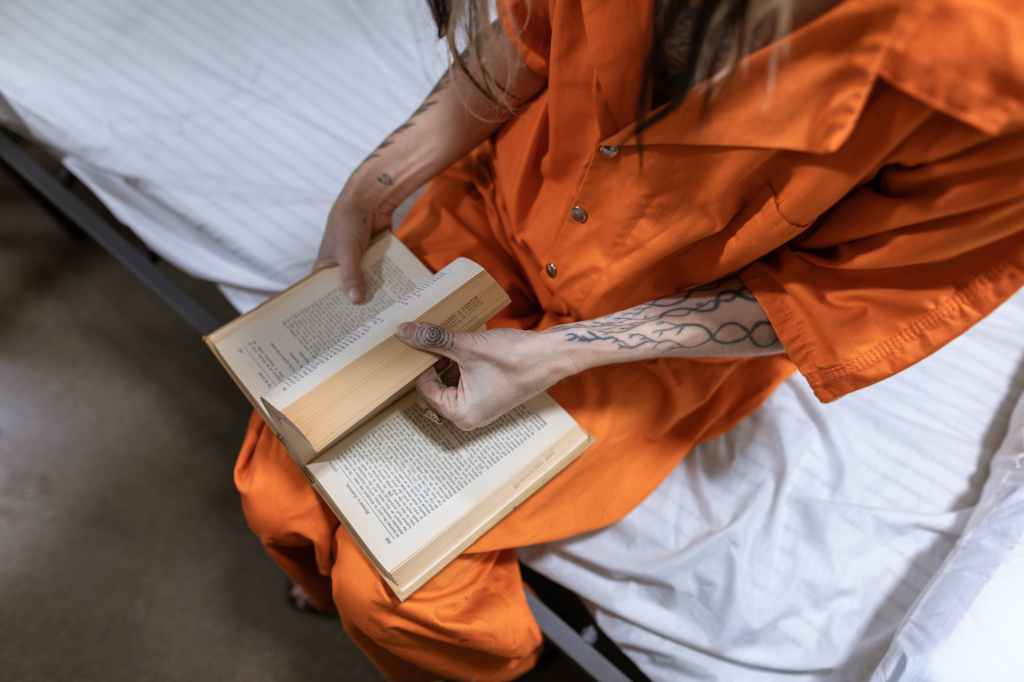

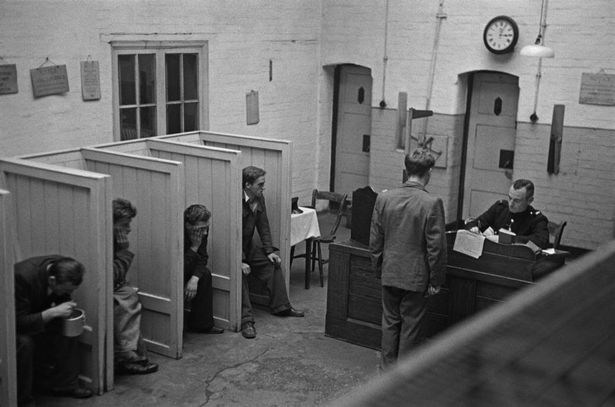



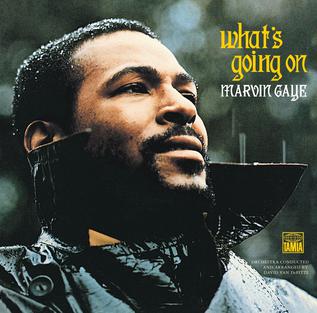










 Criminology Tales
You must be logged in to post a comment.